
One of the biggest challenges facing consumers purchasing skin care and cosmetic products today is the lack of regulatory control regarding ingredients. Why is this a problem? In short, regulations vary from country to country – an ingredient banned in the EU may not be banned in the US. There are no global standards for controlling the ingredients in skin care products. Dr Vyvyan Howard, toxico-pathologist, University of Liverpool, has commented: “Some of the ingredients in cosmetics are trade secrets so we never get to know about them. It’s rather unregulated and very secretive and it’s very easy for chemicals to cross the skin and get into the bloodstream. Once someone has become sensitised to a substance it’s a one-way trip and there’s no going back.” 1
“There is increasing evidence that we are all victims of a great big con: the very products the glossy ads suggest will make us look younger, healthier and fitter, and be sexually and socially more successful, may contain ingredients that impair fertility, increase the effects of ageing, disrupt hormones and are linked to cancer, allergies or other health problems.”
Women’s Environmental Network: Getting Lippy- cosmetics, toiletries and the Environment
According to the American EWG (Environmental Working Group), public health laws in the US allow:
This of course applies equally to the organic skin care and cosmetic market, however there is a massive difference between the potential toxicity of a synthetic ingredient that will have been processed through industrial type manufacturing processes, and that of an organic plant oil or fibre, that is grown without the use of pesticides and will have been processed in accordance with certified organic standards.
An additional hazard for non-organic beauty products arises from the manufacturing processes: potentially harmful compounds and chemicals may be found in skin care products and cosmetics as a result of processing the ingredients or product. There is very little information available on how synthetic ingredients used in skin and cosmetic products may interact with each other, and how dangerous the resulting compounds may be.
at help the plant absorb the nutrients.
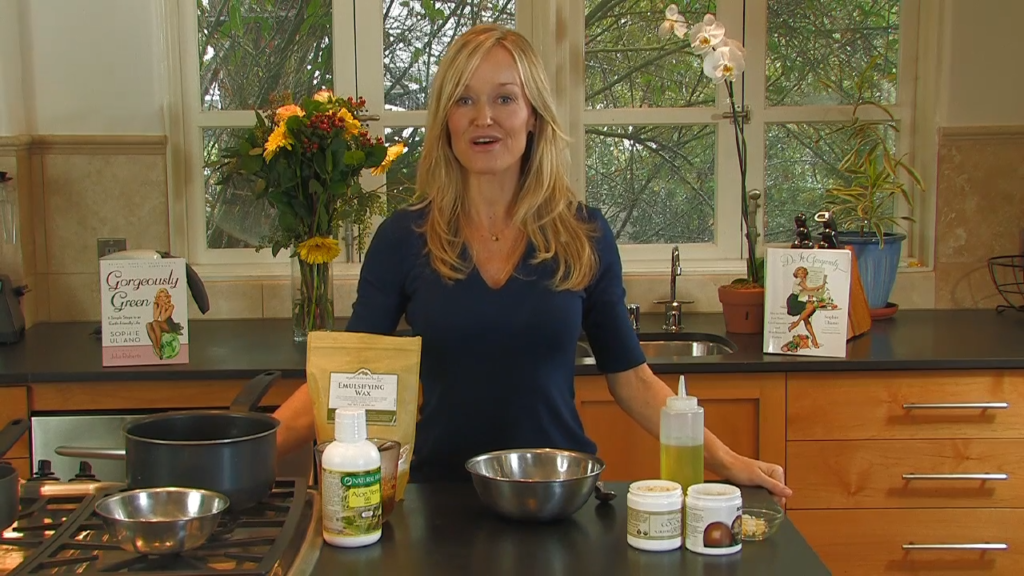
A list of the 12 most common and most hazardous synthetic ingredients commonly found in non-organic skin care products are briefly reviewed in this video, and include:
Found in hairsprays, perfume, nail polishes. Listed as dibutyl phthalate di(2-ethylhexyl) phthalate or butyl benzyl phthalate. Used to soften plastic, moisturise skin and enhance skin penetration of cosmetics.
Scientists and environmental groups have claimed that these substances can act as hormone disruptors in young girls. Fertility may be adversely affected, and phthalates have been banned from children’s toys in the US as a result. A similar temporary ban is in place in the EU. May cause allergies, damage liver and kidneys and have been linked to allergies such as asthma. Not always clearly labelled on products.
Found in nail polish. Listed as xytol or dimethylbenzene. Used as a solvent. Has the potential to irritate the skin and respiratory tract, and may cause liver damage. It is narcotic in high concentrations.
Used as a disinfectant, germicide, fungicide, defoamer and preservative in deodorants, shampoos, hand wash and nail varnish. Listed as formalin, formal and methyl aldehyde.
A known carcinogen. 2 May cause asthma and headaches. Irritant to the eyes, upper respiratory tract and mucous membrane. It can damage DNA.
Used in shampoos, hair colours and shaving gels. Listed as nonylphenol or octylphenol. Possible hormone disruptors and possible carcinogen. May also cause asthma, eczema and skin irritations.
None of these ingredients should be found in certified organic skin care products. Choosing to buy organic skincare products takes the consumer one step forward to knowing the products they are using on a daily basis are safer for the body, cleaner for the environment and are without doubt kinder to both.
Many manufacturers will market their product(s) as containing natural ingredients, but may combine a single natural ingredient with numerous synthetic compounds in order to improve the appearance, shelf-life or colour of the product. This results in a cocktail of chemicals that have no ‘natural’ benefit to the consumer. Clearly, the word ‘natural’ is in fact quite meaningless, and may relate to an ingredient derived from oil as much as from a flower.
Equally there are many manufacturers that use the word organic in relation to a product. The actual organic content may be as little as 1%. This anomaly occurs because there are no legal standards ingredients used in health and beauty products – unlike food products. In truth, the only way to ensure that a product is truly organic is purchase products that have been certified by an organic accreditation body. In the UK, the Soil Association is the largest and most well-known accreditation body and certifies skin care products as well as food and household items.
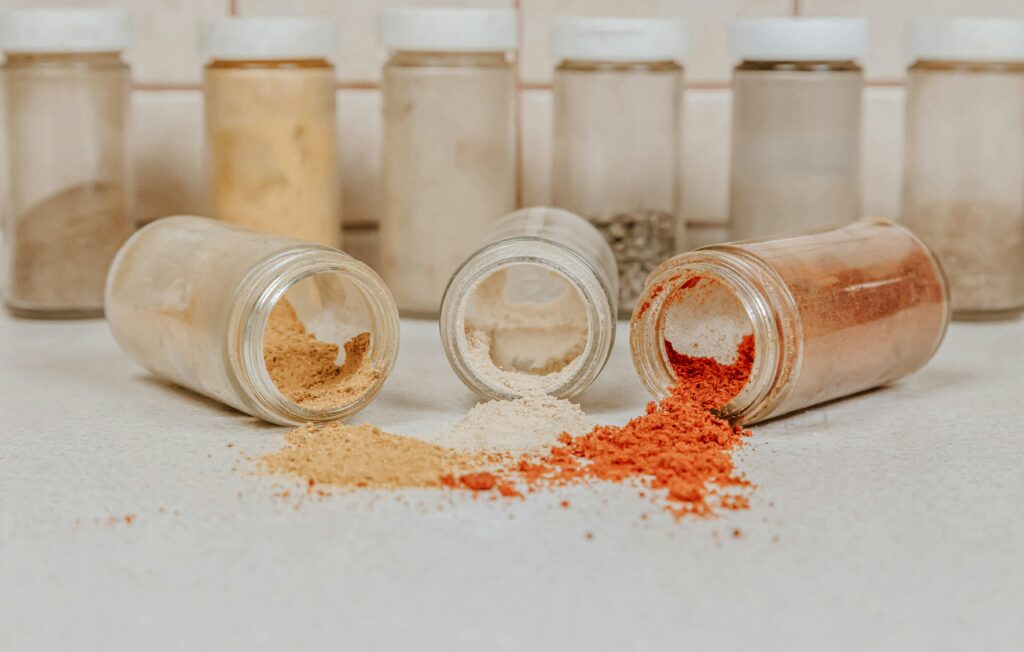
The organic beauty market is growing, driven by consumer demand for safe, non-hazardous and environmentally friendly products. Brands certified as organic include: Green People, Neal’s Yard, Lavera, Spiezia, Organic Botanics, The Organic Pharmacy, Trevarno.
Although some products are stocked in department stores or health food stores, the full range of products are more easily purchased online.
An additional resource for consumers concerned about the contents of their skin care products is EWG’s online ‘Cosmetics Database‘. The database provides toxicity ratings for ingredients, specific products and brands.
Note: An organic ingredient may still have potential for allergenic reactions.
To achieve organic certification, a company must:







Copyright © 2026 Organic Wish
website designed, built and optimised by:
